
The best detective and deduction games for people who like to work it out themselves
Most detective games let you play the detective. You walk around, click on everything, and at some point the game tells you who did it. Nice, but you didn't actually solve anything. The game did.
The games in this list are different. They hand you the evidence and then step back. No arrow pointing at the killer, no hero who explains it all in the last scene. Just you, a pile of clues and the slightly nervous feeling that you might be wrong.
So which ones are actually worth your evening? And how are they different from the escape rooms we usually write about here? Let's take a look.
Escape room or detective game? The difference
Alright, a quick bit of theory first, because the two get mixed up all the time.
A classic escape room is about getting through. A locked door, a safe, a four-digit code. Every puzzle has one right answer, and when you find it, the next room opens. The story is mostly the wallpaper.
A deduction game is about understanding. The puzzle is the story itself: who was there, what happened, and why. You form a theory, test it against the evidence and change your mind. Usually more than once. Nothing physically opens. Your reward is the moment it all clicks.
Of course, plenty of games sit somewhere in between. Detective Ridelle sets a murder on a luxury train and mixes questioning suspects with room puzzles made by a real escape room designer. Players call the difficulty just right, although the whodunit itself is fairly standard. Unboxing the Cryptic Killer does the same for two players: two detectives each see different clues and have to talk their way through the killer's puzzle box together. Good bridges if you're coming from escape rooms and want to see what the fuss is about.


Fill in the blanks: Obra Dinn and Golden Idol
Enter the subgenre that started all this. In a "fill in the blanks" game you look at a frozen scene and then complete a written account of it: names, causes of death, motives. The game only checks your answers in batches, so you can't simply guess your way through. Clever, right?
Return of the Obra Dinn is the one everyone points to, and to be honest, for good reason. A merchant ship drifts back into port in the early 1800s with its crew of sixty missing or dead. You board as an insurance investigator with a pocket watch that shows the moment of each death, and you have to fill in every person's name, fate and killer. You work it out from tiny details like accents, uniforms and who stands next to whom. The game only confirms answers in sets of three, which stops guessing without holding your hand. Players call it one of the best mystery games ever made. The downside? A few late identities come down to educated guesses, and the one-bit art makes faces hard to read from a distance. It's hard, and you only play it once.
The Case of the Golden Idol takes that idea and turns it into twelve separate cases spread over fifty years, all tied to a cursed idol and one aristocratic family. You click around each scene, collect words and names, and slot them into the blanks. Players describe it as challenging but fair, solvable through logic instead of guesswork. It's on the short side at six to eight hours, and some wanted a bigger payoff from the overall story.
Finished that? The Rise of the Golden Idol jumps to the 1970s with twenty linked cases. It's longer and more complex, and many players think it matches or beats the first one. Fair warning: the fill-in-the-blanks system can get annoying when you know the answer but not the exact wording it wants. Play them in order.



A gentler way in
Obra Dinn can feel like jumping into the deep end. If you'd rather start in the shallow bit (no shame in that), there are two lovely options.
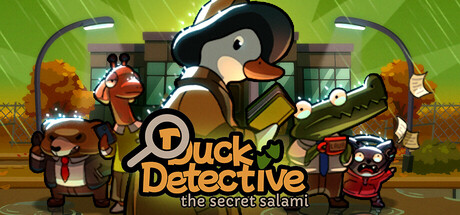
Duck Detective: The Secret Salami openly borrows the Obra Dinn approach: collect keywords, then slot them into deductions. The difference is the tone. You're a down-on-his-luck duck caught up in a sausage conspiracy. Yes, really. Players love the humour and the full voice acting, and say the deductions are neither too easy nor too hard. The catch is length: two to three hours, which some find thin for the price.
Tangle Tower is a point-and-click murder mystery in a very strange mansion, where the only figure seen near the body is… a painting. The cast is fully voiced and the art is colourful and slightly macabre. The deductions are fair and there are no failure states, so it's relaxed. On the other hand, some say you can brute-force the deductions, and many found the ending rushed. It's closer to a visual novel than a test, but a very charming one.

Detective work from your desk
A newer type of deduction game puts you behind a (fake) computer. No crime scene to walk through, just documents, databases and your own ability to connect the dots.
The Roottrees Are Dead is the best example. It's 1998, the heirs of a big corporation die in a plane crash, and you have to rebuild the family tree using an early-internet browser, books and old photos. Players love the moment a hunch is confirmed and say the puzzles never ask you to read the developers' minds. A slot in the tree locks in once you have enough names right, so progress is clear. The middle stretch can feel like repetitive name-matching, and players advise taking notes and playing in long sessions. Expect ten to twenty hours.
The Operator puts you at a desk at a federal agency, searching databases and examining evidence for field agents, until it turns into a conspiracy thriller. Players praise the writing, voice acting and the twists. Honestly though, it's more guided than Roottrees, and it's short at three to five hours. It may not be for you if you want to work things out completely on your own.


Open investigations: go wherever the clues lead
Some games don't give you a scene. They give you a whole place and let you figure out where to look.
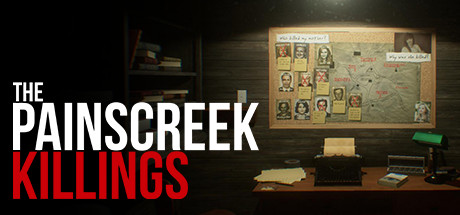
The Painscreek Killings drops you as a journalist in an abandoned town to solve a cold case. No quest markers, no hints. You find keys, codes, diaries and news clippings, and you're encouraged to take photos and notes. Players compare it to Obra Dinn and tell you to keep a paper notebook nearby. The criticism is consistent though: the ending more or less hands you the killer and then switches to a chase sequence, and movement is slow and clunky.
Paradise Killer is something else entirely. An open-world murder mystery on a surreal vaporwave island, where you gather evidence in any order and then argue your own case at a trial. Players love the world and the soundtrack. The detective work itself is light, as the evidence is sorted so neatly that the culprit can feel obvious. Play it for the atmosphere, not for hard logic.
And then there's Shadows of Doubt, a detective sandbox in a procedurally generated noir city where every citizen has a name, a job and a routine. You tail people, break into flats and piece murders together from fingerprints and notes. Players call it one of the most original detective games around. They also call it janky: buggy AI, cases that can soft-lock, no autosave. Who knows what you'll get on any given night!


Mysteries that bend the rules
Two more that don't fit neatly anywhere, which is exactly why I like having them on this list.
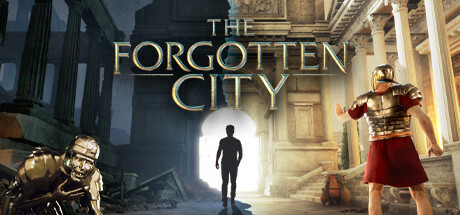
The Forgotten City traps you in an underground Roman city where one person's sin dooms everyone. You use a time loop to question residents, untangle their lives and find out who's responsible. Each loop adds a piece of the puzzle, and players rave about the twisting plot and the four endings. It's heavy on reading and dialogue though, and players advise switching off the hints, which are on by default and give solutions away.
Overboard! flips the whodunit around. It's 1935, you're on an ocean liner, and you've just pushed your husband over the rail. Now you have eight in-game hours to make sure someone else takes the blame. Each run takes about half an hour, and you learn who's where and when so you can scheme better next time. Deduction in reverse, basically. Repeating the same conversations gets tedious for some players, but the writing is sharp.

Conclusion
In the end, what makes a great deduction game is trust. The game trusts you to work it out, and you trust that the answer is actually in front of you. Obra Dinn and Golden Idol nail that, which is why they're still the benchmark.
New to the genre? Start with Duck Detective or The Case of the Golden Idol. Want a real challenge? Obra Dinn or The Roottrees Are Dead. Coming from escape rooms? Try Detective Ridelle first. Either way, grab a notebook. You'll need it ;)