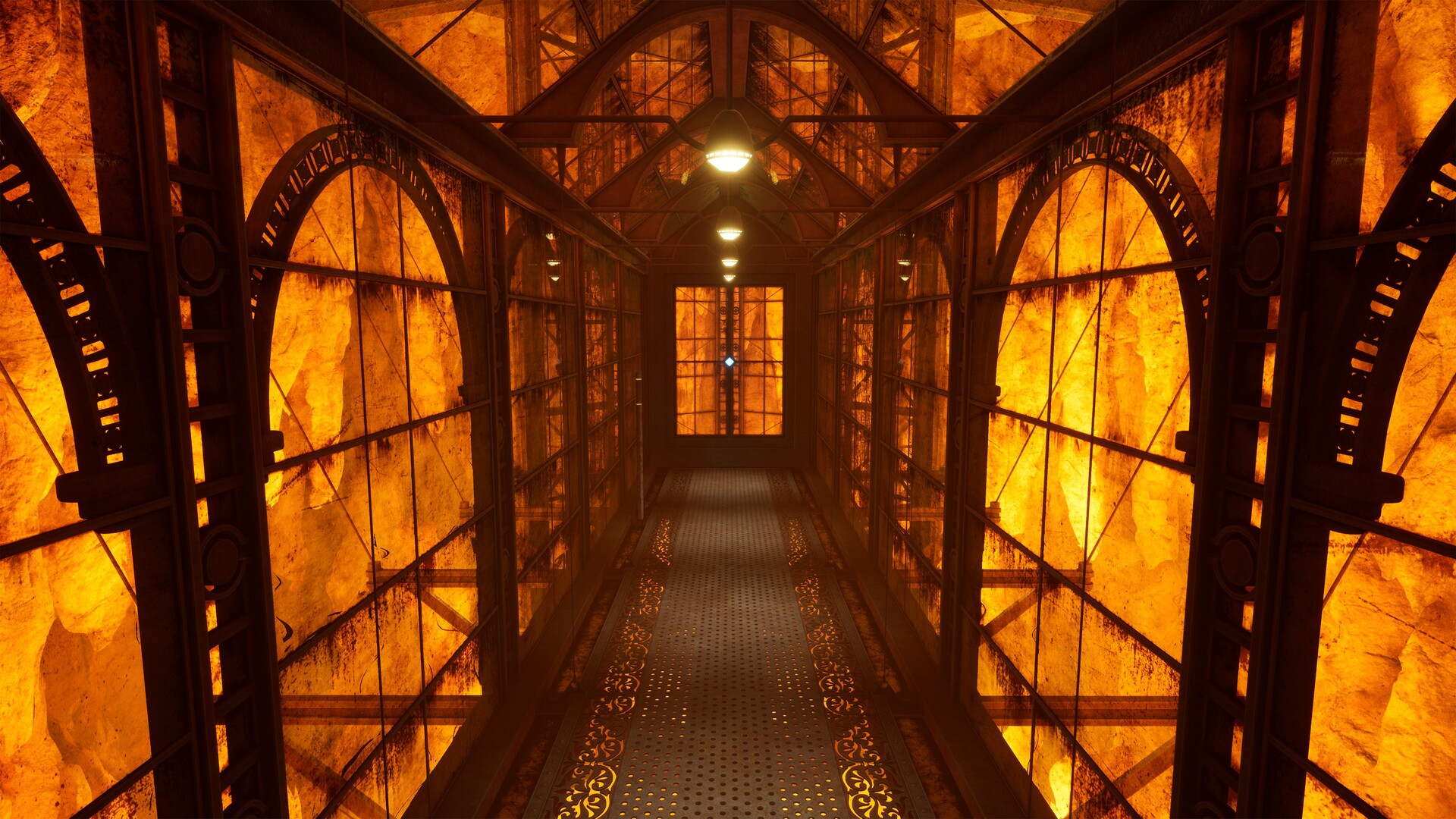
Games like Myst: exploration puzzle adventures where the world is the puzzle
No tutorial. No quest log. No friendly voice telling you where to go. Just an island, a few strange machines and a journal written by someone who clearly isn't coming back.
That's Myst. Back in 1993 it made a whole generation of players reach for pen and paper, and honestly, the formula still works. You don't solve a puzzle because the game put a lock in front of you. You solve it because you finally understand how this place works.
So where do you start today? And what do you play once you've linked through every last Age? Let's take a look.
Start at the source: Myst and Riven
Good news first: you don't have to fight 90s graphics to play the originals. Cyan rebuilt both games from the ground up, with free 3D movement instead of clicking from frame to frame, and both can be played on a flat screen or in VR.
Myst is the 2021 remake. You arrive alone on Myst Island, travel through linking books to other Ages and piece together a story of two brothers and a betrayal through journals and machinery. Players praise the new art and sound and the VR comfort options, and veterans can switch on puzzle randomisation for a fresh run. The complaints are the classic ones, to be honest: a slow, unguided start, a few puzzles that lean on mechanics nobody explains, and waxy character models where the old FMV actors used to be. Expect four to eight hours.
Riven is the bigger brother, in every sense. A collapsing island world ruled by Gehn, a man who thinks he's a god, and puzzles built into its jungles, domes and machines. What players love most is that the puzzles feel like part of the island's culture rather than random locks. The symbols matter. Take notes. Really. The downside? Small interactable details are easy to miss, which can lead to a lot of aimless wandering, and the cart rides are slow. It's twelve to fifteen hours and players single out the ending puzzles as a highlight.
Which first? Myst. It's shorter and it teaches you how Cyan thinks. Then Riven, if you're hooked.
The spiritual successors
Plenty of games have tried to be "the next Myst". Most of them forgot the important bit: the clues have to live in the world itself. These two didn't forget.
Quern - Undying Thoughts is the most Myst-like game in our catalogue, and players say so in almost every review. A portal strands you on an island full of machinery, glowing crystals and the notes of a vanished professor. What reviewers like most is how mechanics you learn early return later in harder forms, so the island slowly teaches you its own rules. Clever, right? Fair warning though: there's a lot of backtracking, no hint system at all, and some puzzles hinge on tiny details you saw hours ago. Several reviewers admit they looked up an answer or two. Expect fifteen hours or more, for a very low price.
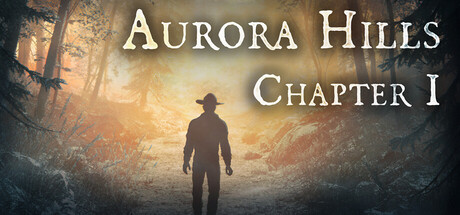
Aurora Hills: Chapter 1 is a free first-person point-and-click from the makers of Meridian 157. It's October 1981, a fading West Virginia mining town, and as park ranger Ethan Hill you look into years of disappearances in the national park. Players call the difficulty a sweet spot and love the in-game camera for snapping clues (why don't more games do this?). It's two to four hours and ends on a cliffhanger, which is sort of the point.
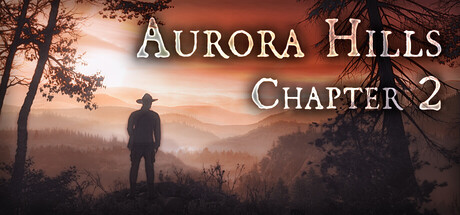
Liked it? Aurora Hills: Chapter 2 goes deeper into the closed-off parts of the park, with an autumn forest and abandoned buildings that look far better than the price suggests. Players praise the step-by-step hint system, which gets you unstuck without spoiling the solution. The movement is node-by-node, Myst-style, which some find clunky when backtracking, and yes, it ends on another cliffhanger. Chapter 3, anyone?
When the puzzle is a language
Remember all those symbols in Riven? Some games take that idea and make it the whole game. You don't open doors. You learn to read.
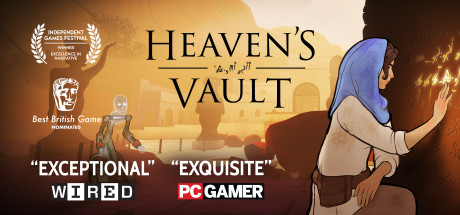
Heaven's Vault comes from inkle, the studio behind 80 Days. You play archaeologist Aliya Elasra, sailing a strange nebula of space-rivers with her robot Six, and translating an ancient hieroglyphic language glyph by glyph. Every guess shapes what you believe about the past, and players say friends ended up with very different stories. The catch is pace. No running, no fast travel, fixed-speed dialogue and fiddly sailing. Some call it more visual novel than puzzle game. It may not be for everyone, but there's nothing else quite like it.
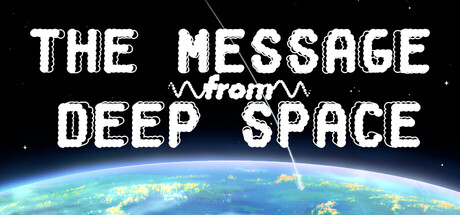
The Message from Deep Space is the hard one. It's 1973, a meteorite starts broadcasting radio signals, and you're the Translator. You decode an alien language from scratch, starting with numbers and physical constants, keeping your own dictionary and composing replies on a retro computer. Players describe real eureka moments, and many say the ending made them cry. Obviously, a game about decoding maths from space isn't light: most players need thirty hours or more, and you need to be comfortable with algebra and physics. Not sure? Try the demo first.
Myst-likes in VR
Exploration puzzles and VR are a natural match. When you're physically standing in the room, turning a dial feels a lot more like turning a dial. Both remakes above support VR, but these three were built for a headset from day one.
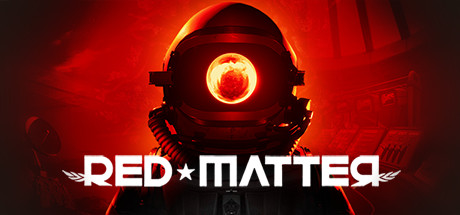
Red Matter sends you as Agent Epsilon to an abandoned research base on Saturn's moon Rhea, in an alternate Cold War. Your controllers become tools that grab, scan, translate and light up the world. Players praise the eerie mood without jump scares and the weighty feel of dials, switches and circuit boards. The puzzles are fairly simple and it's over in three to four hours, so buy it on sale.
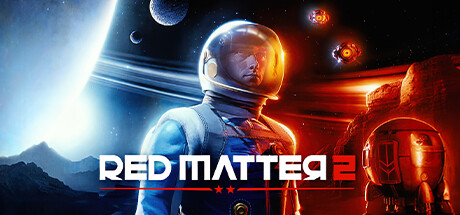
Red Matter 2 is bigger and more varied, with hacking, repairs and a jetpack for crossing open spaces. One thing to know: it mixes in occasional combat and stealth, so if you want a pure puzzle game, stick with the first one.
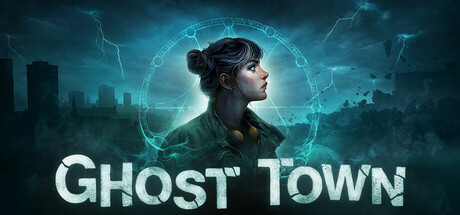
Ghost Town comes from Fireproof, the studio behind The Room. You're a ghost hunter in 1983 London, searching for your missing brother through a haunted theatre, a tower block and a lighthouse on a Scottish island. Players call the puzzles hands-on and pitched in the sweet spot, with hints if you need them. The complaint? About four hours, and most objects that aren't puzzles can't be touched. A bit of a shame, but still a strong pick.
Conclusion
In the end, a great Myst-like trusts you to look. The answers are right there in the scenery, in a journal, in a symbol carved into a wall. You just have to slow down long enough to notice them.
Never played the originals? Start with Myst, then Riven. Played them to death? Quern is your next stop. Want to try the style for free? Aurora Hills: Chapter 1. And if you'd rather learn a language than turn a dial, Heaven's Vault is waiting. Whichever you pick, keep that notebook close ;)