The scariest horror escape games, ranked by how much they will get to you
Puzzles are relaxing. Puzzles while something breathes behind a door? That is a different evening altogether.
Horror and escape rooms go together surprisingly well. You are locked in, you are alone and every drawer might hold a key… or something worse. But "horror" covers a lot of ground. Some games throw monsters at you, others just make the wallpaper feel wrong. So how scary are these games, really? And which ones can you play if you jump at your own shadow?
Let's take a look. I have grouped them by the kind of fear they go for, from properly stressful to barely spooky.
Jump scares and chases: the properly scary ones
Alright, let's start at the deep end. These are the games where something can actually get you, and that changes how you solve puzzles. You are not just thinking. You are thinking fast.
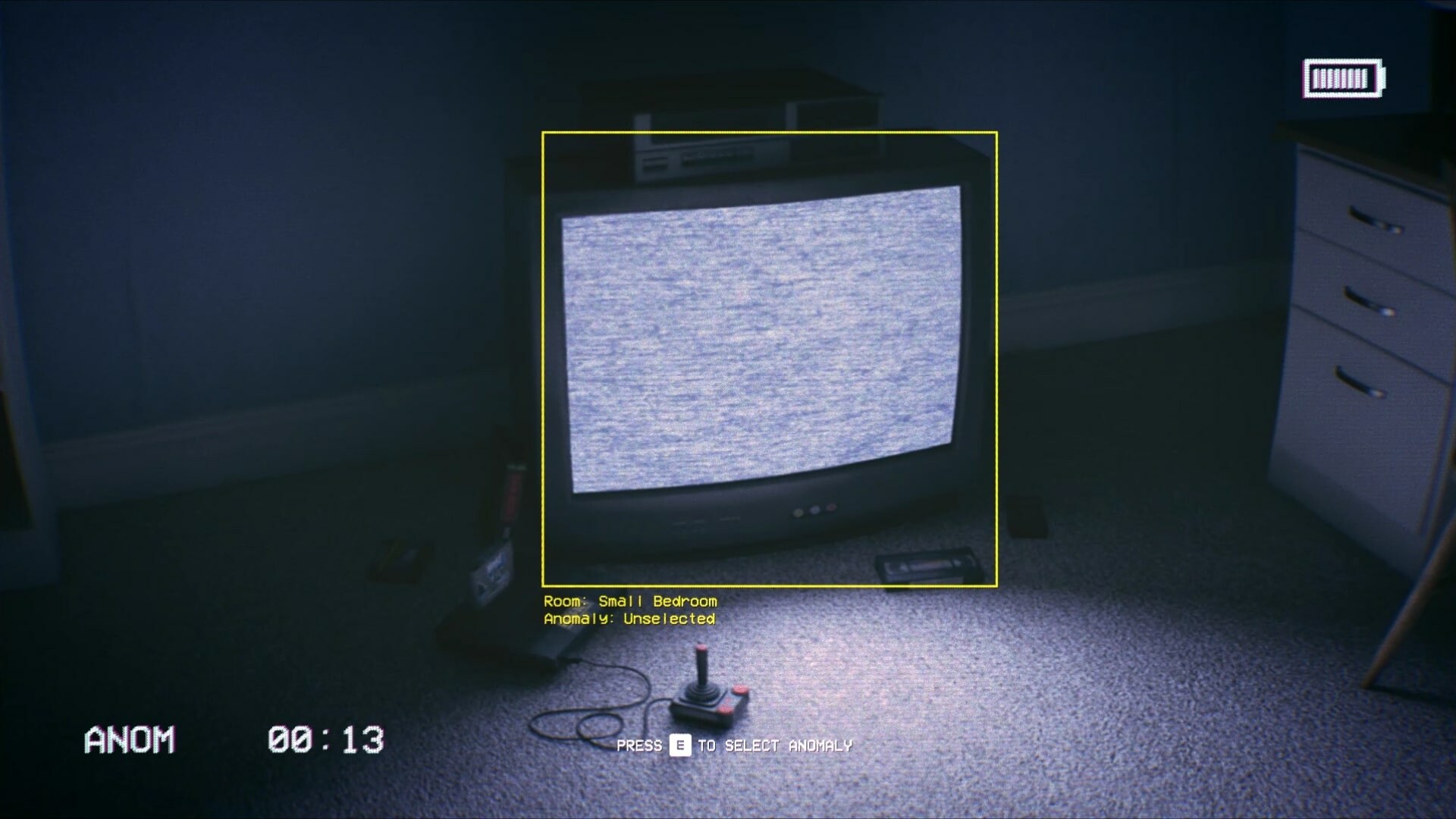
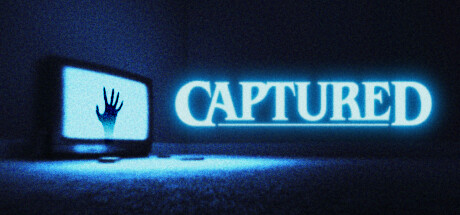
CAPTURED is the most openly scary game on this list. You are stuck in a looping hallway of a late-'90s family home and have to photograph 13 anomalies to escape, while creatures stalk the dark and you dodge them with a flashlight and doors. Our editorial is blunt about it: frequent jump scares, lots of stress, not for anyone who wants a calm puzzle game. The good news is that it has difficulty modes, and players who struggle with spot-the-difference games found the easier one forgiving.
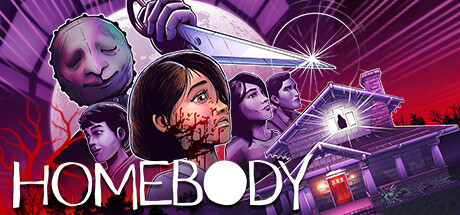
Homebody mixes Myst-style puzzles with a slasher. A killer picks off a group of friends in a rental house, and each death sends you back to the start of a time loop with what you have learned. You hide in closets from a killer modelled on Clock Tower, so expect chases right in the middle of your puzzle-solving. It is also hard, which makes those interruptions sting a bit more.
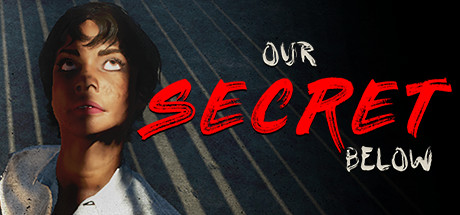
Our Secret Below comes from the developer of The Mortuary Assistant, which tells you a lot already. You are locked in a basement with four hours before your captor returns. The scary part is not only the setting: there is no save system, so getting caught restarts the whole run. That is horror of a very practical kind (hah).
Slow dread: no monster needed
Of course, not all fear comes from something jumping out at you. Some of the most effective horror just sits there and waits for you to notice that something is off.
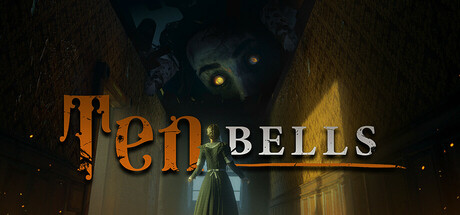
Ten Bells is a looping English pub with more than 55 anomalies, ranging from subtle to deadly. You walk through, decide whether anything has changed and turn back if it has. Players call it one of the most polished games in the anomaly genre, and tag votes lean towards psychological horror. It is short, cheap and very tense. One warning: you cannot turn off head bobbing, so skip it if motion sickness is an issue.
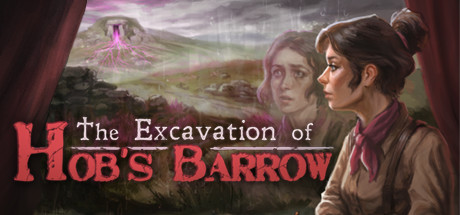
The Excavation of Hob's Barrow is folk horror done properly. An antiquarian arrives in a remote Victorian village to dig up a burial mound, her contact is missing and the locals are hostile. The dread builds slowly across six to nine hours, and players say the late twists and ending lift everything before them. The catch is the gameplay: long stretches of errands and backtracking. If you play for atmosphere and writing, though, this is a good one.
And then there is The Utility Room, a VR-only trip to the backstage of the universe. It is closer to a surreal walking simulator than a puzzle game, but the scale is the point: one player describes it as inducing a fear of huge things, and another calls the ending the most uncomfortable thing they have felt in VR. Not much puzzling, mind you. It is here for the feeling.
Horror that messes with your head
This next group is less about being chased and more about the game itself turning against you. Rules change, screens lie, and you start to distrust everything. I love this kind of horror, to be honest.
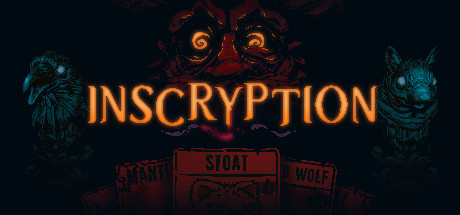
Inscryption is the obvious one. You play cards against a shadowy figure in a dark cabin, and between hands you get up and solve escape-room puzzles that feed back into the game. It is one of the most acclaimed games in our whole catalog, and players repeatedly advise going in blind. The escape room is only one piece of a longer card game, and some players feel the later acts fall short of the first. Still, an easy recommendation.
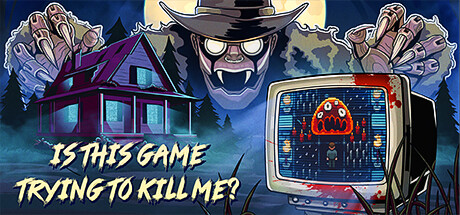
Is this Game Trying to Kill Me? borrows from the same playbook, and several players compare it to Inscryption's first chapter. You are held in a forest cabin and promised your freedom if you beat a retro game on an old computer. Then the traps from that game start bleeding into the room. It is short, and the bright flashes bothered one reviewer, but there is a built-in hint button for the obtuse bits.
Lorelei and the Laser Eyes is the slow, eerie, Twin Peaks-flavoured option. A baroque hotel full of riddles, a black-and-white look and a story that unfolds bit by bit. It is mostly unsettling rather than scary, though reviewers do mention one big jump scare. Fair warning: it is also very hard and can take 15 to 30 hours.
Creepy, but you will sleep fine
Somewhere between "pleasant" and "terrifying" sits a lot of my favourite stuff. These games are dark and strange, but they never really try to make you scream.
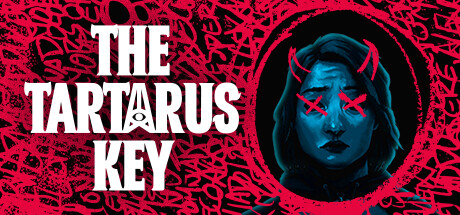
The Tartarus Key is a great example. You wake up in a locked mansion watched by cameras, every door is sealed by a trap, and fellow captives can die if you fail certain puzzles. Sounds grim, right? But there is no combat, no chases and no jump scares. The tension comes from the stakes, not from shocks. It has a PS1-era horror look and three endings for careful players.
Cube Escape: Paradox is Rusty Lake at its most unsettling: a detective with no memory, trapped in a game set by an old enemy, with a live-action short film that hides clues. It is eerie and surreal rather than scary. And the first chapter is free, so there is really no reason not to try it.
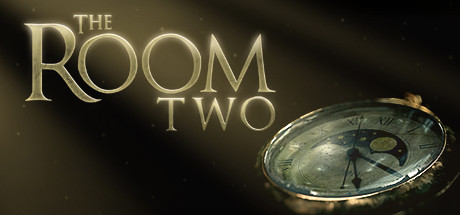
The Room Two rounds this group off. Mechanical puzzle boxes, a quiet gothic mood and a Lovecraftian edge in the lore. It is creepy in the way an old attic is creepy. Players found the difficulty just right, and there are built-in hints for when you get stuck.
If you scare easily: start here
Okay, so you like the idea of horror, but you would rather not have your heart rate spike every five minutes. Totally fair. These games keep a dark or mysterious mood without the shocks.
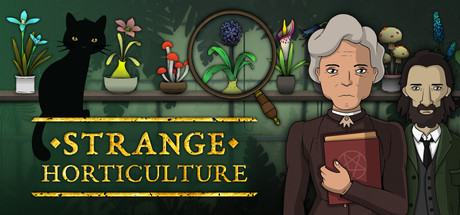
Strange Horticulture is folk horror from behind a shop counter. You run a plant shop, identify plants with an encyclopedia and slowly get pulled into an occult story with multiple endings. Players describe it as relaxing, with rain on the windows and a cat nearby. Dark story, cosy loop. It also has an unlimited hint button (using it does cost an achievement).
The White Door is the gentlest Rusty Lake game on this list. Players call it quietly sad rather than scary, and less creepy than the studio's other games. The puzzles are easy and serve a story about grief. Short, too: two to three hours.
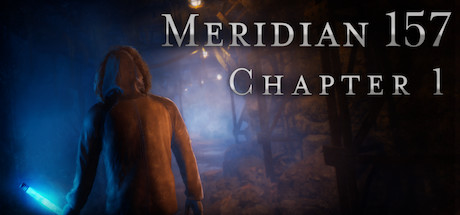
Meridian 157: Chapter 1 traps you in an abandoned facility on a sub-Arctic island. It sounds scarier than it is: players describe it as calm, slow-paced exploration with a creepy undertone, and tag votes put Horror well down the list. There is a hint system for the hardest riddles, and the prologue is free if you want to test the waters first.
And if you are not sure which side of the line you are on? Try one of these first. If it feels too tame, move one section up :)
Conclusion
In the end, "scary" means something different to everyone. If you want your pulse up, go for CAPTURED or Homebody. If you prefer dread that creeps up on you, Ten Bells and Hob's Barrow do it beautifully. Want your head messed with? Inscryption, obviously.
And if you scare easily, there is no shame in starting with Strange Horticulture or The Tartarus Key. Pick one, turn the lights down (or don't), and see how far you get.