Asymmetric co-op puzzle games: you see the clue, your partner sees the lock
"What does your symbol look like?" "Like a fork. A sad fork." "Which way is it pointing?" If you've ever had a conversation like that, you already know this genre. Two players, two screens, and neither of you can see what the other one sees. The puzzle only gets solved when you describe it out loud. Badly, at first. Then better.
It's a very specific kind of co-op, and I'd argue it's the purest one. You can't just take over and solve it yourself, because you literally don't have the information. You have to listen. So which of these talk-it-out games are actually worth your evening? Let's take a look.
Wait, where's We Were Here?
Let's get the obvious one out of the way. The We Were Here series is the best-known asymmetric co-op game around, and The Past Within and the Cryptic Killer games are close behind. They're great, and I already covered them in the best co-op escape games. Start there if you haven't played them.
This list is for the next step: you've done the walkie-talkie castle, you loved it, and now you want more. Good news. There's plenty.
The top pick: a fairy tale for two
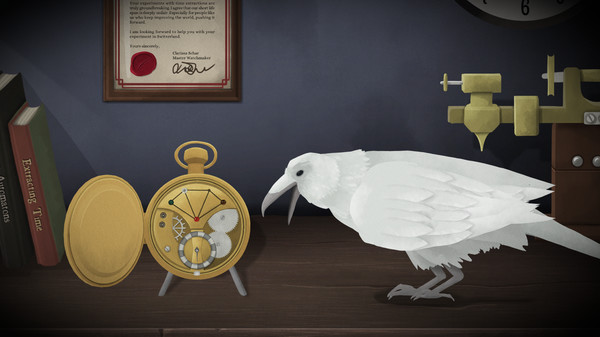
If you only try one, make it Tick Tock: A Tale for Two. It's set in an eerie hand-drawn village inspired by Scandinavian fairy tales, where you unravel a clockmaker's mysteries. Each player sees a different screen with clues the other needs, and that's the whole game. No running around, no reflexes. Just two people describing things to each other.
Players love how much it forces communication. The symbol puzzles in particular apparently lead to shouting matches and laughter (sounds about right). Most reviewers say the difficulty is just right: you get stuck, but not for long. The art and the twist ending get a lot of love too.
Of course, there's a catch. It's short, about two to two and a half hours for most pairs, and both of you need your own copy. Some found the story underdeveloped, and a few got stuck on unclear puzzles in chapter 3 or the finale. There are no achievements and no pause, either. Still, it runs cross-platform across PC, Mac, Switch and mobile, so your partner can join from almost anything. At its low price, that's an easy recommendation.
One in the field, one behind a screen
A lot of these games use the same clever setup: one player is out in the world, the other sits at a desk with the information. Think spy movie, but you're both the spy. And the guy in the van.
Operation: Tango does this best. One of you is the Agent on the ground, the other is the Hacker, and neither can finish a mission alone. Players like how both roles feel needed, and several suggest playing it twice to try the other side. Even better: only one of you has to own it, because a free Friend Pass lets your partner join. The downside is bugs. Many recent reviews report desyncs and softlocks, especially in mission five, so test it early while you're still inside the refund window. Expect four to five hours.
United Heist: Facility Zero splits things between a secret bunker and an observation office, linked only by a walkie-talkie with built-in voice chat. Sound familiar? Players say the puzzles use the split well, and one pair finished it without hints. The evidence is thin, though: only nine reviews, and some mention jank and puzzles that are hard to read.
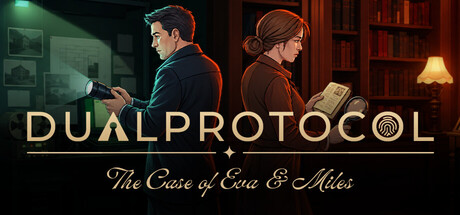
Want something more relaxed? Dual Protocol: The Case of Eva & Miles is a 90s noir mystery where field agent Eva searches a manor while analyst Miles works CRT terminals and archives. Reviewers call it light and relaxing rather than tough. It's also over in under two hours, so maybe grab it on sale.
Weirder splits
Not every asymmetric game is "you have the manual, I have the bomb". Some get a lot more creative with who sees what.
Split Brain is the strangest one here. You both share one body: one of you moves the character, the other sees the world differently and has to guide them. Roles swap between levels, and each level adds a new mechanic, so it rarely gets repetitive. Fresh, right? Fair warning, though. From around level five it adds stealth and chase sections with a ghostly presence, and plenty of players found those clunky or simply not what they signed up for. If you want a calm puzzle game, skip this one.
Together: Moon Escape is the opposite: low stress, no death, and a silly premise about escaping a slime empire on the Moon. Each player sees and handles different things, including slimes that only your partner can see (and you have to shoot them anyway). Players call it a hidden gem and say the puzzles make you talk without stalling you for long. Some find the low-gravity jumping imprecise, and it ends on a cliffhanger. Bonus: it supports local split screen, which is rare in this genre.


One copy, one phone
The biggest hurdle with these games? Convincing your partner to buy a copy too. Enter the companion-app games.
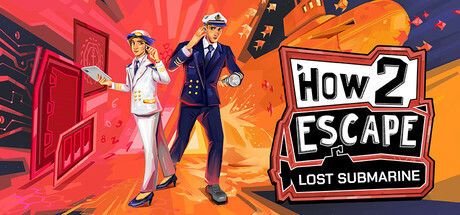
In How 2 Escape: Lost Submarine, one player explores a missing submarine on PC or console, while the other uses a free app on a phone or computer to look up the information each puzzle needs. Only one copy needed. It's a Cold War-style plot about stopping a torpedo launch, and most of its Steam reviews are positive. The one detailed review is negative, though, citing difficulty spikes and puzzles that don't explain their basic idea well. Player feedback is limited, so go in with open eyes.
The original How 2 Escape works the same way, but with timed train carriages and screen effects that blur your view as time runs out. Reception is mixed, and reviewers found the effects and audio harsh. Only for pairs who like pressure.
Try it for free first
Not sure your partner is the talkative type? Find out for free. Obviously.
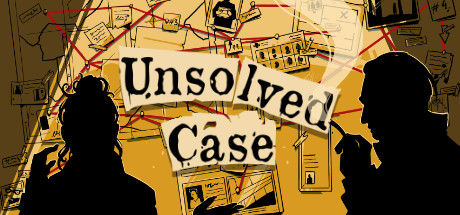
- Unsolved Case is a free prequel to the Cryptic Killer games. Two detectives, different clues on each screen, comic-book art, done in under an hour. Cross-platform with Mac, phone and tablet. The unskippable tutorial screens every time you join are a bit annoying, but hey, it's free.
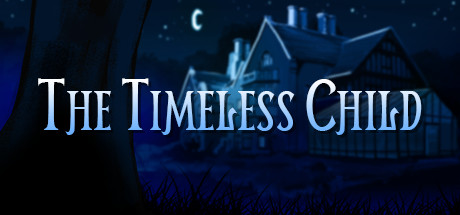
- The Timeless Child - Prologue puts one player in the present and the other in the past of the same manor, and what one does changes the other's world. Players call that split the highlight. It's only a prologue, though, and reports of server waits, disconnects and a broken final level are common.
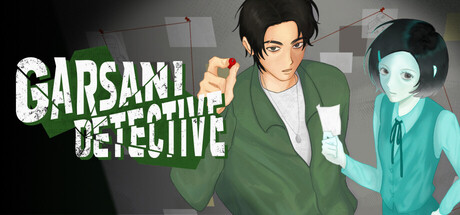
- Garisani Detective Agency is a co-op deduction game set in 1990s Korea, the era of pagers and payphones. One of you is a human detective, the other his ghost sister, and each sees different evidence for a shared case board. The setting really stands out. Reception is split, though, with players mentioning lag and stutter, and there's no in-game voice chat, so you'll need a call alongside it.
- Sam & Dan: Floaty Flatmates is the VR pick. You're stuck in separate apartments across a flooded street, with a shark circling below, and have to rig up ways to communicate, like a tin-can phone. Silly, short and loved by players. You both need a headset, of course.
And one to keep an eye on: BRELOK - The Mice's Escape, a co-op escape game exclusively for two players. It's so new and has so few reviews that we haven't written a verdict yet. Who knows!

Conclusion
In the end, these games all come down to one thing: how well you and your partner talk. For a cosy evening, start with Tick Tock. Want a spy fantasy and only one copy between you? Operation: Tango, bugs and all. Looking for something stranger? Split Brain or Together: Moon Escape. And if you're not sure yet, try Unsolved Case for free and see how long it takes before someone says "no, the other sad fork" ;) So, which one are you playing first?