
The hardest escape and puzzle games, for when the easy ones bore you
You know the feeling. You open a new escape game, find the key in the second drawer, and the hint button is already blinking at you.
Once you have played a few dozen of these, most puzzle games stop being puzzles. What you actually want is a game that makes you stop, stare at the screen, grab a notebook and maybe go to bed without an answer. So which games in our catalog still manage that?
Alright, let's take a look. Every game below is rated hard in our own verdicts. I have grouped them by the kind of hard they go for, because being stuck on a logic panel feels very different from being stuck on a crime scene.
Logic mountains: learn a rule, then suffer for it
Let's start with the purest form of difficulty. No story to lean on, no hidden object you missed. Just you, a set of rules and puzzles that combine those rules in ways you did not see coming.
The Witness is the classic here. You arrive on a bright, empty island with no instructions and find hundreds of line-drawing panels in its forests and quarries. Each area quietly teaches a rule without a single word of text, then starts combining rules until it gets very hard. Players love the moment a rule finally clicks, and the open island means you can walk away from a stuck area and come back later (the lesson you need is often somewhere else). Fair warning though: the sound-based area and the boat puzzles frustrate a lot of people, and there are no note-taking tools, so expect to sketch panels on paper.
Liked that? Enter Order of the Sinking Star, the new one from Jonathan Blow, who also made The Witness. It is a top-down block-pushing game with more than a thousand hand-crafted puzzles, and it is the highest-scoring game in this whole article. Players describe that very specific pain of finding a clever solution, only to realise the designers removed exactly the piece you needed. One reviewer calls it the Elden Ring of puzzle games. It is also enormous, with reports of 50 to over 100 hours, and some players had to sleep on a puzzle before it cracked. There is no colourblind support for the coloured beam puzzles, which is worth knowing.


First-person test chambers that turn mean
Grew up on Portal? These two take its test chambers and keep raising the bar until it actually hurts a bit.
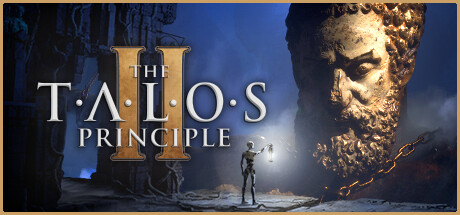
The Talos Principle 2 is the big one. Humanity is extinct, robots carry on its culture, and you join an expedition to a mysterious megastructure full of laser, connector and gate puzzles. Many players call it one of the best puzzle games in years and on par with Portal. There is no combat and no twitch reflexes, so the challenge is all in your head. It is long, though: 30 hours or more. And some fans of the first game feel there is more talking and walking between puzzles than they would like.
The Entropy Centre hands you ASTRA, a chatty AI device that rewinds objects through time, on a crumbling space station above a burning Earth. Players say the rewind trick makes you plan moves ahead in a way Portal never did. The difficulty does climb steeply: some found the later acts frustrating even with a guide, and the tight rewind timer and fussy bounce pads add friction. It may not be for everyone, but it is a meaty eight to twelve hours.

Mysteries where knowledge is the only key
This next group is hard in a completely different way. There are no panels to solve. The puzzle is the world itself, and nobody is going to tell you where to look.
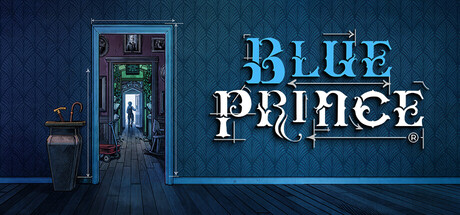
Blue Prince is the strangest one here. You explore Mt. Holly, a manor whose layout you draft yourself: open a door, pick one of a few rooms to put behind it, and the whole house resets at the end of each day while you hunt for the rumoured Room 46. Fans describe a rabbit hole that keeps opening up long after the credits, with notebooks full of scribbles. Of course, there is a downside: the random room draws can block you from testing an idea you have already worked out, and runs have no mid-run save. Patience required.
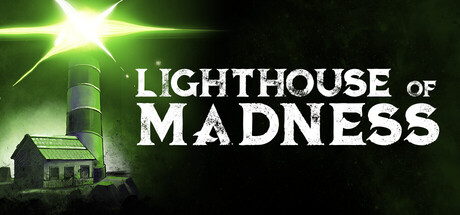
Lighthouse of Madness is the smaller, spookier option. As engineer Dorian Cannon you land on an island near Innsmouth (yes, that Innsmouth) to rescue the lighthouse keepers,. One player compares its hardest puzzles to Myst or Quern, though not quite as tough, and optional collectible puzzles add extra challenge. It only has around 20 reviews and is a bit rough around the edges, but a few hours well spent.
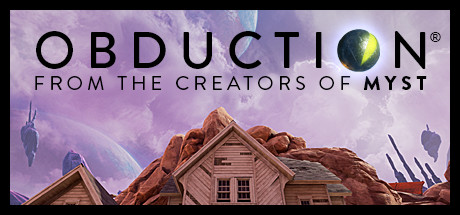
Obduction is Cyan's spiritual successor to Myst and Riven. A strange seed drops you in an Arizona town transplanted to an alien world, and you decode its machines purely by observation. Players say it recaptures that first Myst feeling, but a late section of back-and-forth travel between worlds tests everyone. If you want more in this style, our guide to games like Myst covers Riven and friends in detail, and if you have somehow not played Outer Wilds yet, start there.
Escape rooms with no safety net
Okay, but what about actual escape rooms? Locked doors, codes, a room you need to get out of. Most of these are built for beginners, which is fine… until it isn't. These three are not.
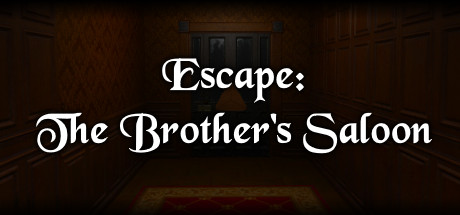
Escape: The Brother's Saloon is the one I would point experienced players to first. Your missing brother has locked you inside a wood-panelled building, and you work through more than twenty kinds of puzzles with no timer. Players call it one of the harder digital escape rooms they have played. There is no hint system at all, a few clues feel obscure, and a 4x4 sliding tile puzzle is widely disliked (sliding tiles, why is it always sliding tiles?). Bring a notepad.
EXIT The Game – Trial of the Griffin adapts the EXIT board game series. It is 1837, a countess who has not been seen for decades invites you to her castle, and you search chambers, a library and a crypt for clues. Just like the card game, it sometimes asks you to think beyond the screen, including a puzzle that involves the credits menu. Keep a hint guide nearby if meta puzzles annoy you.
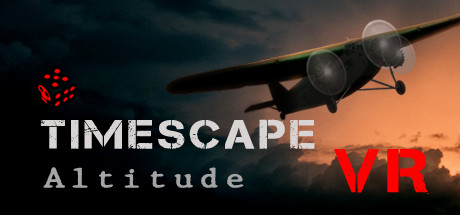
Got a headset? TIMESCAPE: Altitude chains you to a seat on a plane with no pilots, and you need to solve your way out and jump before it goes down. It has five difficulty levels, and that range is real: one reviewer called it the hardest escape room they had played and gave up after two hours, while another found level 3 just right. It only has a handful of reviews and basic visuals, so treat it as a VR side quest rather than a must-play.

Deduction that punishes guessing
If you have already finished Return of the Obra Dinn and both Golden Idol games (see our detective and deduction guide for those), you may think you have seen the genre's hardest cases. These two would like a word.
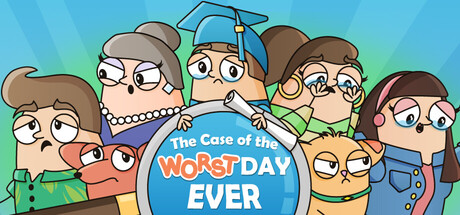
The Case of the Worst Day Ever looks adorable. A family celebration where everyone, pets included, looks miserable. Don't be fooled. Players warn that the cute art hides punishing puzzles, and the later cases are compared to the hardest Golden Idol scenarios, with lots of elimination logic and red herrings. The final cases lean on more assumptions than evidence, which is a fair criticism.
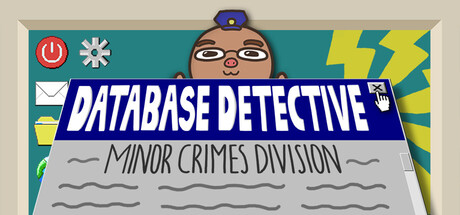
Database Detective: Minor Crimes Division has you solve petty crimes like littering by writing SQL queries. An in-game textbook helps, and several reviewers say the hard part is not the SQL anyway. It is working out which question to ask. Every answer can be deduced without guessing, and the humour is great. The second half shifts from tables to browsing fake websites, which some found a chore, and a wrong accusation wipes your working lists. Ouch.
Hard, but with friends
Being stuck alone is one thing. Being stuck together is somehow more fun. These are for groups that like to argue over a cipher.
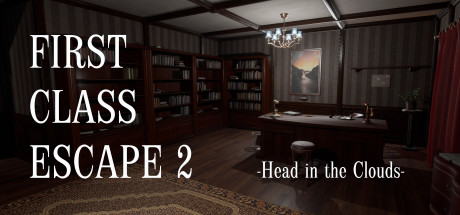
First Class Escape 2: Head in the Clouds takes you aboard a luxury airship packed with mechanisms and logic puzzles, playable solo or in online co-op with up to five players. Several players say it is hard, and solo players miss having someone to bounce ideas off, so this one really shines with a group. The interface is the main complaint: instruction sheets cannot sit next to the puzzle you are solving, and some colours and angles make clues hard to read.
For two players, the toughest options are probably the later We Were Here games. We Were Here Forever is the big, demanding one, and our co-op guide goes through the whole series.
Conclusion
In the end, a hard puzzle game is only good if it is fair. Every game here asks a lot of you, but the best ones make you feel clever rather than cheated when the answer finally lands.
Want pure logic? The Witness, then Order of the Sinking Star if you survive. Prefer a world to figure out? Blue Prince, obviously. Want a real escape room that does not hold your hand? The Brother's Saloon. And if crime scenes are your thing, The Case of the Worst Day Ever is waiting. Pick one, put the walkthrough away and see how long you last ;)